iPhone 13 Pro Max Repairs: Matching Replacement Parts to Device Needs
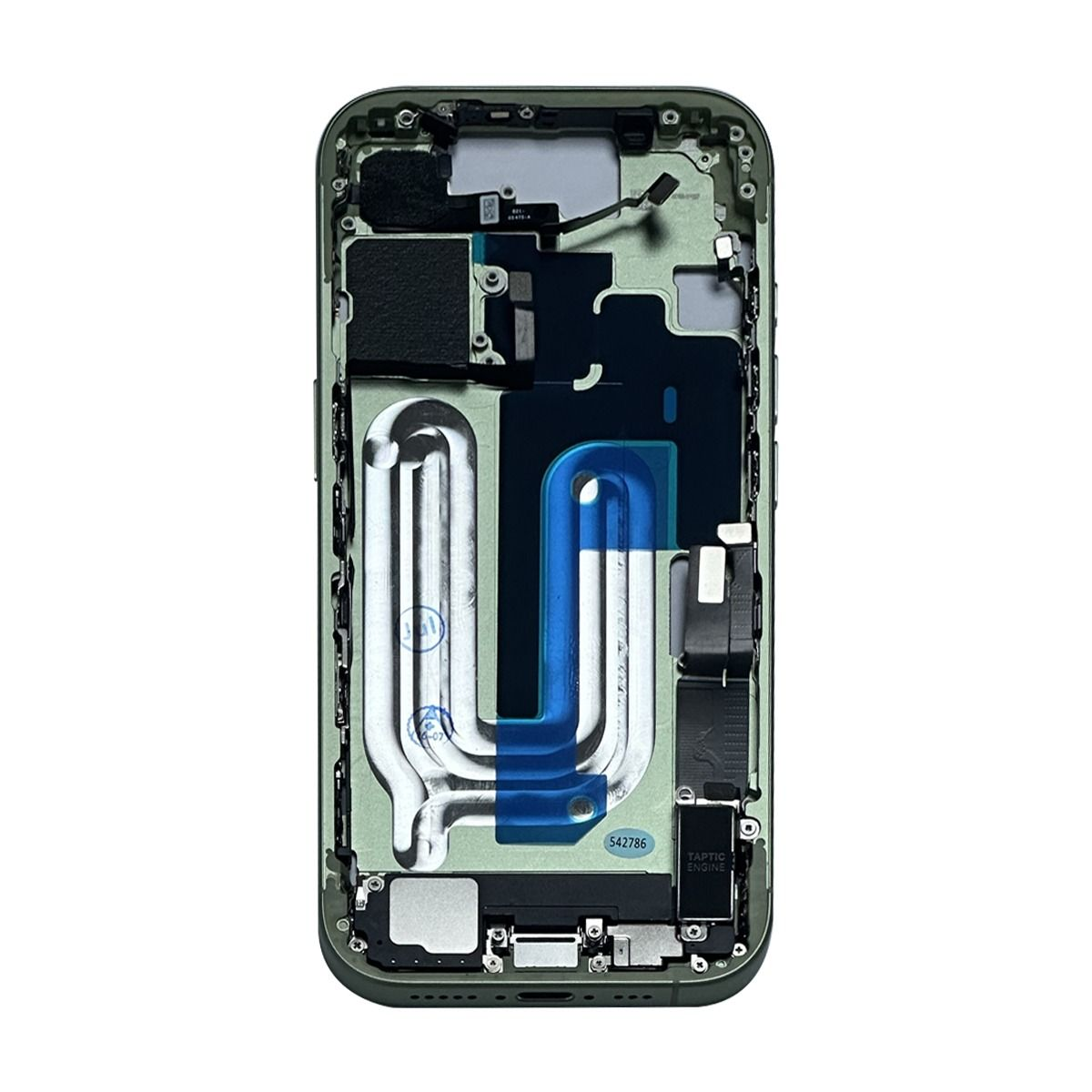
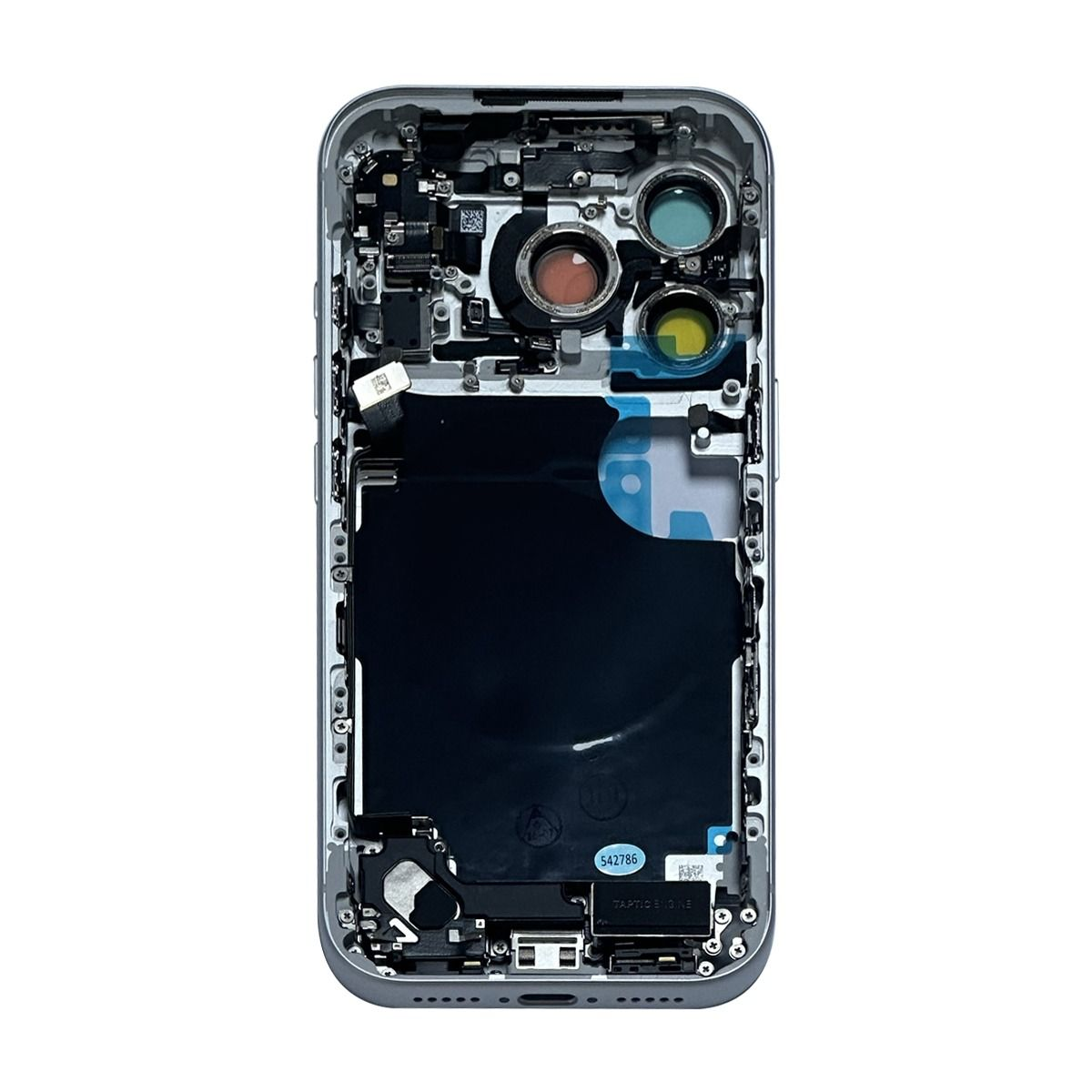
Repairing a smartphone requires careful attention to the device model, the damaged component, and the specifications of the replacement part. Even when two devices look similar, their internal components may differ in dimensions, connectors, or other technical details. For repair shops, confirming these details before ordering can help prevent installation problems, unnecessary returns, and delays. A structured sourcing process is especially useful when managing multiple customer repairs or maintaining inventory for popular smartphone models.
Identify the Device Before Selecting a Part
The first step in any repair is to confirm the exact device being serviced. Model names alone may not always provide enough information, particularly when a product family includes several versions with different hardware configurations.
For an iPhone 13 Pro Max repair, technicians should document the device model and inspect the damaged component before searching for a replacement. This helps narrow the available options and reduces the risk of ordering a part intended for another model.
Before purchasing, check the following:
- Device identification: Confirm the model rather than relying on the phone's physical appearance.
- Component type: Determine whether the repair requires a display, battery, charging component, camera part, or another assembly.
- Product specifications: Review the supplier's description for relevant technical details.
- Compatibility information: Verify that the listing specifically identifies the intended device.
- Condition and category: Read the product description to understand what type of replacement component is being offered.
These checks create a useful starting point for evaluating replacement parts and planning the repair.
What to Check When Ordering Replacement Components
When sourcing cell phone replacement parts wholesale, repair shops should evaluate product information alongside price and availability. Wholesale purchasing can help businesses organize their inventory, but the ordering process still needs to account for compatibility and product-specific requirements.
A well-organized product listing should provide enough information to help buyers identify the intended use of a component. If important details are missing, it is better to seek clarification before purchasing rather than make assumptions.
Consider these questions when reviewing a listing:
- Does the description identify the compatible device model?
- Are relevant specifications or connector details provided?
- Is the component's condition clearly described?
- Are any limitations or installation considerations stated?
- Can the supplier explain unclear product details?
- Are the return or replacement terms available for review?
Repair businesses should also keep order records, including product references and purchase dates. These records can help staff identify the component selected for a particular job and make future purchasing decisions more consistent.
Match the Replacement Part to the Repair Requirement
Not every repair requires the same type of component, even when the device model is identical. The extent of the damage and the assembly involved will influence the part needed.
For example, a display-related repair may require a specific screen assembly, while a charging issue could involve a different internal component. A technician should diagnose the problem before selecting a product rather than ordering based solely on the customer's description of the fault. When reviewing iPhone 13 Pro Max replacement parts, use a step-by-step verification process:
- Inspect the device and identify the suspected faulty component.
- Confirm the model information.
- Compare the required component with the supplier's listing.
- Review relevant specifications and condition details.
- Check the applicable supplier policies before ordering.
- Inspect the delivered component before installation.
The final inspection matters because an incorrect order may not become apparent until the package arrives. Confirming the product reference and comparing the component with the repair requirement can help identify discrepancies before work begins.
Plan Inventory Around Actual Repair Demand
Repair shops that regularly handle the same device models may benefit from maintaining a small inventory of commonly needed components. However, stock decisions should reflect actual demand rather than assumptions about which parts will be required.
Review previous repair records to identify frequently used components and seasonal changes in demand. Separate regularly used items from parts that are only needed for occasional repairs. This approach can help businesses allocate their purchasing budget more effectively.
For bulk orders, verify every product line individually. A single order may contain components for several device models, and each item needs its own compatibility check. Do not assume that all products in a shipment share the same specifications or purchasing conditions.
It can also help to maintain a simple inventory record containing the component name, compatible model, quantity available, supplier reference, and reorder level. Staff can use this information to identify shortages and reduce duplicate purchases.
Review Supplier Information and Replacement Policies
Supplier policies are another important part of the purchasing process. Before placing an order, read the terms relating to returns, replacements, shipping, and any applicable product coverage.
Avoid assuming that the same policy applies to every product. Conditions can vary, so review the terms associated with the specific item being purchased. If the listing does not answer an important question, contact the supplier before completing the transaction.
Injured Gadgets is an independent wholesale supplier of replacement parts for smartphones and other electronic devices. Buyers can review its product listings to check the components available for particular models. Each listing should be assessed individually to confirm that the item matches the intended repair.
Keeping invoices, order confirmations, and product descriptions on file can also help resolve questions about an order. This documentation gives repair shops a clearer record of what was purchased and which terms applied at the time.
Conclusion
Successful smartphone repairs begin with accurate diagnosis and careful component selection. Confirming the device model, reviewing product specifications, and checking supplier policies can help repair businesses avoid preventable sourcing errors. Consistent inventory records and delivery inspections also support more organized workflows. By treating each component as a separate purchasing decision, repair shops can make better-informed choices when sourcing parts for the iPhone 13 Pro Max and other devices.
Comments
Post a Comment